Bend, OR
Redmond, OR
Service Area

Lawncare and Maintenance
Mowing, Edging, Trimming and Pruning
Fertilization
Weed Control
Lawn Reseeding & Overseeding
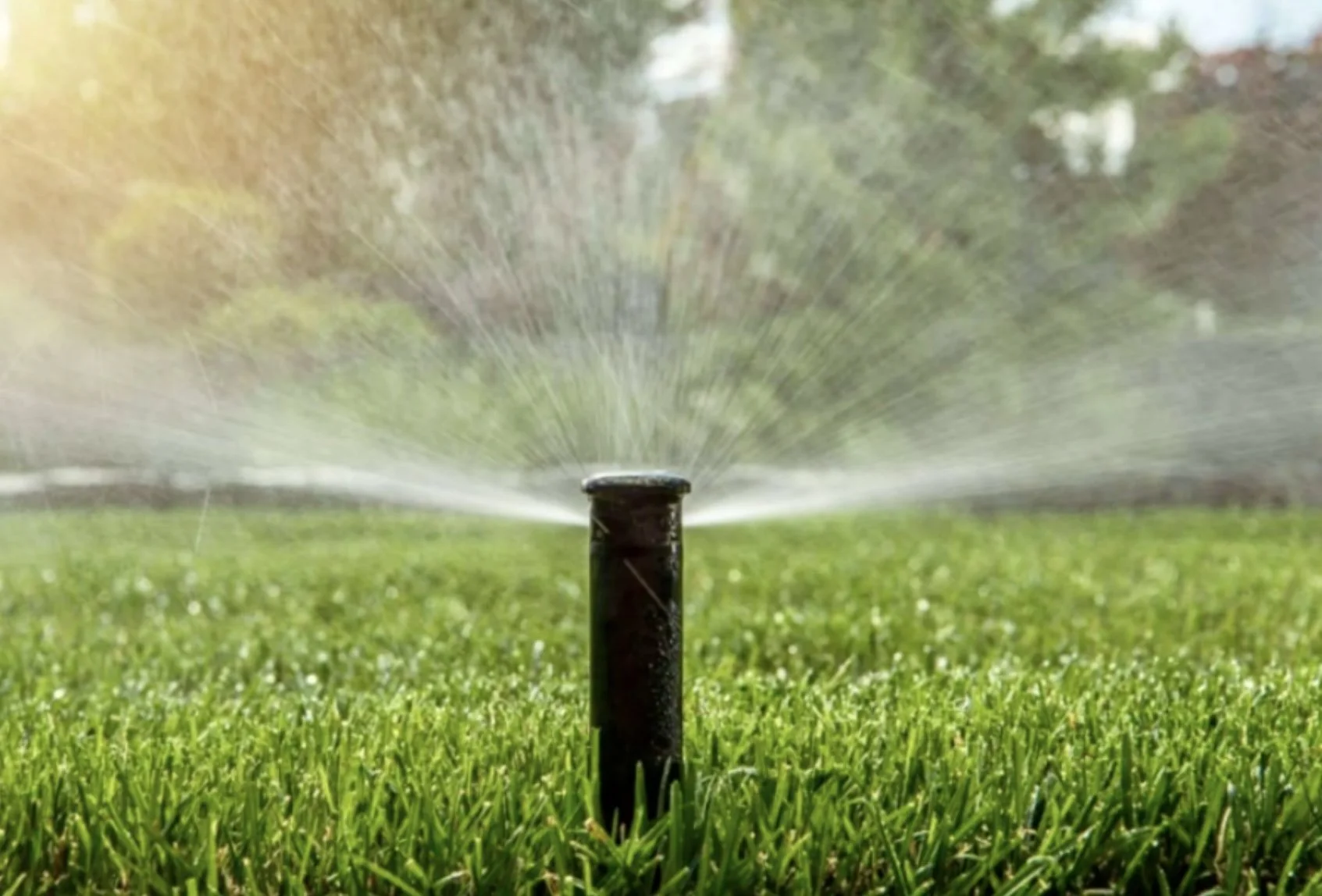
Sprinkler Adjustment
Leaf Blowing & Yard Debris Removal
Gutter Cleaning
Aeration and Dethatching
Spring Clean ups & Fall Clean ups

Pavers Patios, Walkways and Retaining Walls
Paver Patios
Walkways
Retaining Walls
Flagstone Patios

Click Here to watch a sod installation video Time-lapse
Sod Installation
Preparation: Remove vegetation or old sod using a sod cutter, Trimmers or shovels then Till soil 4-6 inches deep to alleviate compaction.
Soil Amendments: Add 3-way soil (mix of sand, soil, compost) or Top Soil
Leveling: Grade the area about 1-2 Inches below sidewalks or driveways to ensure a smooth transition.
Installation: Lay sod within 1 day of delivery, starting along a straight edge. Stagger rows in a brick-like pattern, ensuring tight, gap-free seams.
Final Rolling & Watering: Use a lawn roller to press sod into the soil. Water within 30 minutes of installation, aiming for 1 inch of water penetration.

Mulching
Mulching is one of the simplest and most beneficial practices you can use in the garden. Mulch is simply a protective layer of a material that is spread on top of the soil. Mulches can either be organic -- such as grass clippings, straw, bark chips, and similar materials -- or inorganic -- such as stones, brick chips, and plastic. Both organic and inorganic mulches have numerous benefits.
Mulch helps conserve and extend available water, protects the soil from erosion, reduces competition by suppressing weeds, moderates temperature extremes, and acts as a barrier or visible marker of gardening beds to limit damage by landscape maintenance equipment. Understanding when, what type and how much mulch to spread is important because spreading too much mulch can be damaging to trees and plants.
Article written by: